5 HOLIDAY FOOD GIFT RECIPES


One dubious benefit of the pandemic has been to turn holiday shopping into a quick, one-click exercise.  Why not use some of the time you’ve saved this year, as we gather in person, to add a distinctive touch? A small, unique food gift that you have made yourself says, "I care about you!"

Let me help you select a recipe from among those I've posted on my blog and taught over the decades at my home cooking school. Here is a short list of delicious gifts at every skill level. Simply choose a recipe that you would like to receive as a gift.  Any one could easily be turned into an afternoon family project. 


Vegan Mason Jar Soups : soup mixes

The Lentil Soup Mix recipe, for example, doesn’t require any cooking.  Simply layer colorful beans, grains and seasonings in an attractive glass jar.  Print out a recipe (your own?) to attach with a colorful bow.  You have created a meal without having to cook it. 

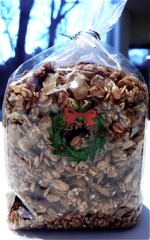
The next easiest homemade gift is ‘Rise and Shine’ Granola. It involves mixing, seasoning and toasting the grains. You can go nuts, so to speak, customizing the add-in fruits, nuts and seeds. Just think how you will brighten your friends’ breakfast routine this winter.

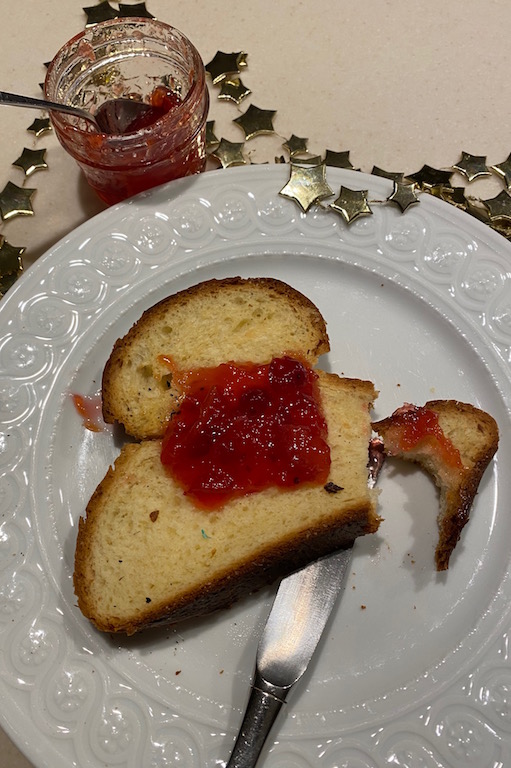
You will want to tie on an apron to make jars of Cranberry and Ginger Jam.  The cranberries and apples soften and thicken into  jam in about twenty minutes.  My recipe includes directions for quickly vacuum sealing dishwasher-clean jars. One recipe yields 6 quarter-pint (1/2 cups) jars or 3 1/2 pint jars.

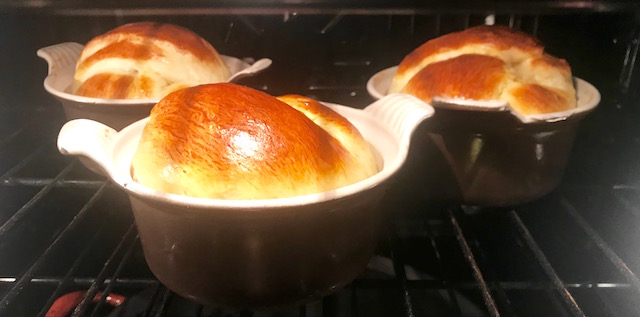
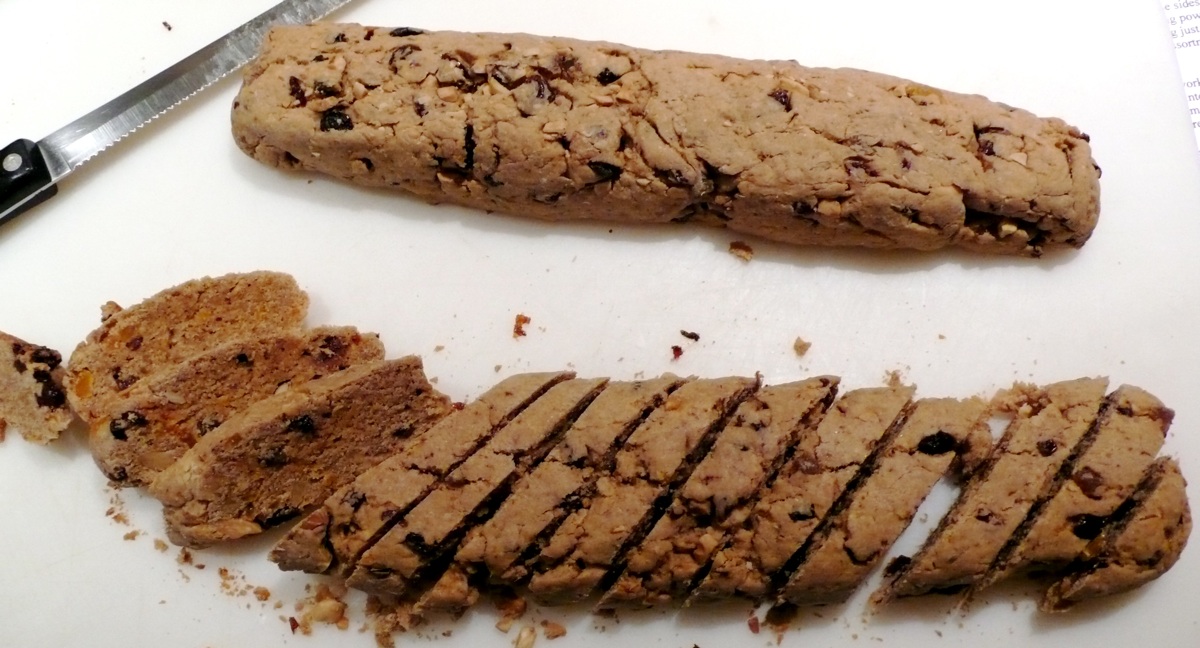
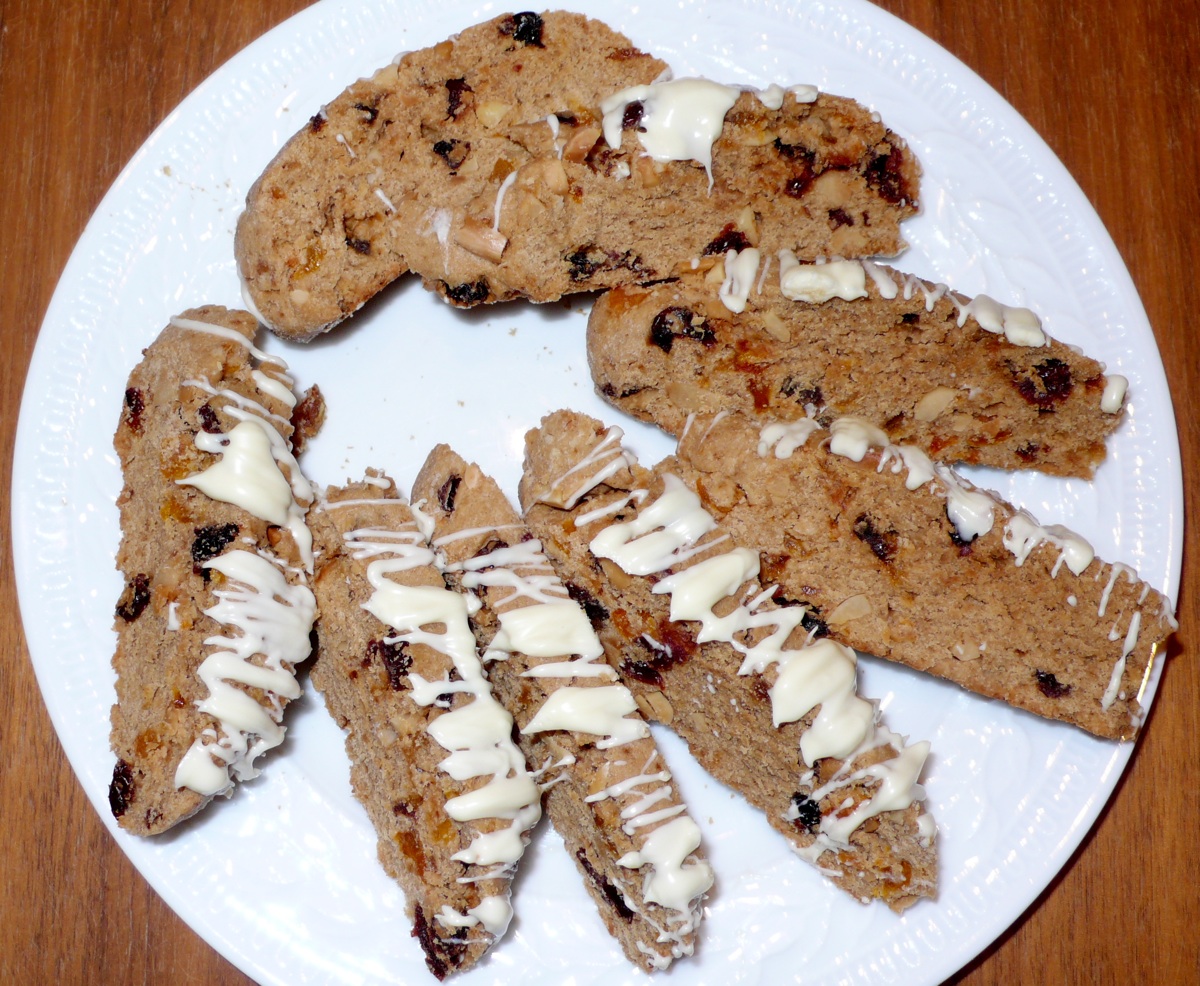
For your 'bestie', the ultimate gift is a combo of homemade jam paired with a golden loaf of Nick’s Quick Brioche. Make one large loaf or as many of four single serving rolls. If you are not ready to bake with yeast, a great alternative is a batch colorful Fruitcake Biscotti. Mix up a stiff dough that includes dried fruit and nuts, divide and bake two loaves, then slice and toast individual pieces.  A white chocolate glaze will give them special appeal.


It’s no secret that home cooks and bakers get as much pleasure sharing food gifts as those who receive them. Freshly homemade food conveys the most precious gift of the season, that is, your time.

Wishing you Happy Holidays and Healthy New Year!


BREAKFAST INSPIRATIONS


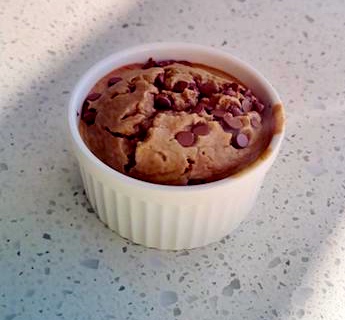
Breakfast has always been an important meal in our family but rarely one that is newsworthy. So I was surprised to get an SMS message from my daughter, Celia, as I sat down to my bowl of oatmeal recently. She had sent a photo of a puffy muffin dotted with chocolate chips. Was this breakfast or dessert? It turned out to be both.

Baked Oats is the latest iteration of the overnight oats culinary phenomenon, a TikTok-worthy mash-up of rolled oats, banana, egg and maple syrup. I had to admit it looked like an improvement on the soggy oat concoction that inspired it, but I’m not one to criticize. At her age I was substituting prunes for chocolate in brownies. I confess to raising a child who aspires to having her cake and eating it too.

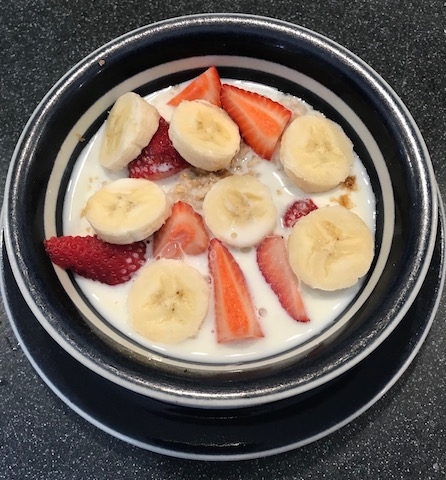
Breakfast cereal is a 19th century American creation which has largely abandoned the healthy objectives of its inventors. Supermarkets today devote an entire aisle to boxed cereals filled with puffed, colored and sweetened corn and grains. Who among us cannot identify the rustle of flakes or the rattle of puffed balls as they hit the bottom of a breakfast bowl? Or the scent of sugar and fake vanilla wafting up as a flood of cold milk swamps the dish?

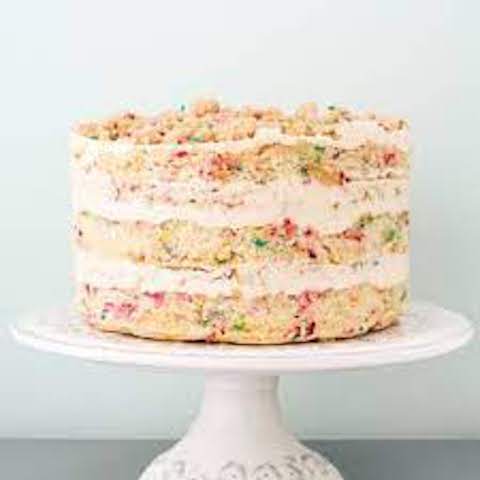
It was only a matter of time before a creative pastry chef would champion the flavor associated with this indelible childhood memory. When Christina Tosi opened Milk Bar in the East Village section of New York City in 2008, it was an instant success. Her secret? The milk in her cakes and pastry spent a night soaking up the grain, sugar and flavorings in breakfast cereal. To heightens the sense of childhood delight Christina eliminates frosting and folds bits of colored cereal into the cake layers. 

In Modena, Italy the morning meal in the kitchen of Massimo Botturo’s three star restaurant is the bread remaining from last evening’s service, soaked in milk with sugar to taste. This is the breakfast Massimo fondly remembers eating in the home of his prosperous Bolognese family. His reverence for the value of stale bread has evolved with his rising prominence into a commitment to reduce food waste.

Massimo champions this perspective on the gastronomic level in visually stunning presentations.  One signature dish consists of an artful arranged pile of torn pizza crust. Then there’s a lemon tart that is served looking as if it had been dropped on its way to the table. 

Botturo put this idealistic concept into practice at the 2015 Milan Expo that attracted 184 countries, each exhibiting its response to the motto: Feed the Planet, Energy for Life. Botturo created weekly menus using leftover ingredients collected from the expo booths. With the help of volunteer designers and carpenters, he turned an empty theatre in one of Milan's underserved neighborhoods into a soup kitchen in the style of a monastic refectory.


Le Refettorio Ambrosiano served five meals a week to the impoverished residents of the surrounding Milanese neighborhood during and even after the Expo.  An international roster of celebrity chefs took turns spending a week in a makeshift kitchen creating beautiful,, substantive meals from donations and writing down the recipes as they created them. One of the more unexpected recipes in the cookbook published afterward is a Brazilian chef’s banana peel chutney. The enormous success of Le Refettorio Ambrosiano inspired Botturo and his American wife to chair foundation that will continue these projects.

Do you find breakfast inspiring?  Feel free to share your thoughts and recipes at This email address is being protected from spambots. You need JavaScript enabled to view it..

EVERY DAY IS 'EARTH DAY'

A post-pandemic world is coming into focus for those of us lucky enough to live in countries where a vaccine is readily available.  Yet this is hardly a high five moment.   Despite the heroic efforts of scientists and doctors, the rapidly mutating coronavirus continues to rage in poorer countries.  While we wait in hopes this virus will become a preventable disease, each of us can help combat one environmental foe that is hiding in plain sight. 

It is time to take action to reduce plastic litter to which we contribute every day.  It is is just one of the many issues signatories to the Paris Agreement will address, we don't know when.   There is current legislation being proposed in Illinois to restrict single-use plastic that will surely be stymied as it has been elsewhere by preemptive bans sponsored by the plastics industry.  Meanwhile, 11 million pounds of plastic will enter Lake Michigan again this year.  In the words of my childhood heroine, little red hen, when no one could help:  ‘I will do it myself."

Plastic is the kind of valuable innovation whose usefulness has outstripped our need for it.  The first synthetic polymer was invented in the 1870’s specifically to save wildlife.  Plastic billiard balls replaced ones made from the tusks of elephants who were being hunted to extinction; a comb made of plastic saved the hawksbill turtle whose shell was prized for combs.  Archival vaults filled with celluloid reels hold the invaluable history of  photography and the film industry.  And let’s not forget how the introduction of nylon stockings seduced and freed women in the 1930’s.

We can’t say we weren’t warned about the potential for the explosive growth of plastics in the last fifty years.  Do you remember the business advice Dustin Hoffman received In the 1967 film The Graduate albeit from one of his father’s drunk friends?  “ I have just one word for you,” he said, “Plastics!”  That throw-away line was uncannily prescient.  We now have to try to undo the mess  we failed to anticipate.


Here is a short 'do' list of measures I am adopting to shrink my plastic footprint:


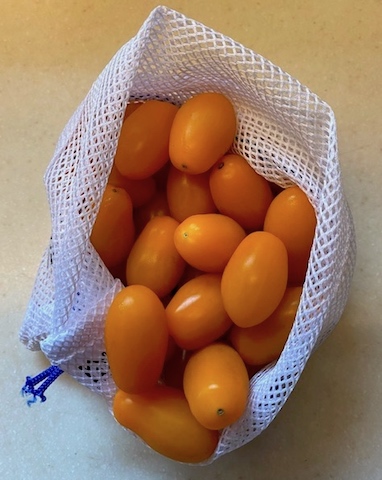
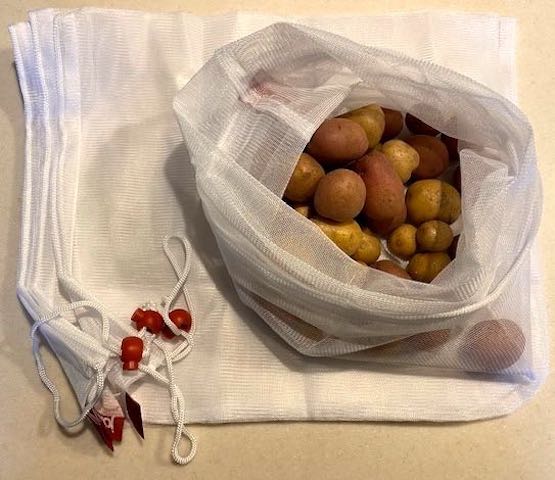
        1.      Take small expandable mesh bags to the market to hold loose produce; take large recyclable sacks to hold all purchases.
        2.      Carry a refillable water bottle.  Avoid drinks sold in one-use plastic bottles.
        3.      Look for staples sold in recyclable containers rather than plastic.  Reuse unavoidable plastic containers at least once but never reheat food in them.
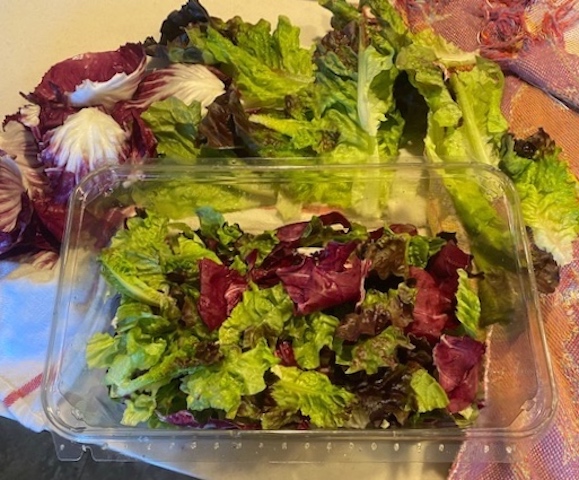
        4.      Return to the practice of buying whole heads of salad greens.  Store them in a one pound container that previously held mixed greens.
        5.      Continue to sort and recycle plastic containers and single-use plastic bags.

A change in daily habits takes time and effort.  I can attest to that.  It also leaves one with the sense of being, in a small way, empowered. 

I hope some of you have already developed habits that reduce your use of plastic.  Do you have suggestions you would like to share?   Please send them!

KHICHDI: COMFORT FOOD FROM INDIA

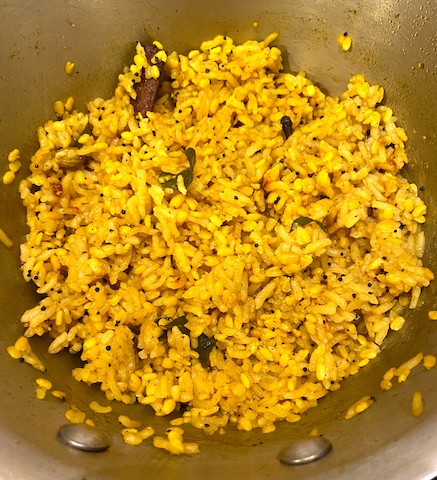
The warmth emanating from the golden rice called Khichdi caught my eye when it appeared recently in the Food Guide from The New York Times.    The seasonings in the recipe that accompanied the photo featured a  balance of sweet cinnamon, cooling cloves and hot chile powder that promised to enliven any number of winter meals.  The addition of moong dal (split mung beans) to long grain rice would create a soft, custardy texture.  In short, I was hooked on Khichdi before I even prepared it.


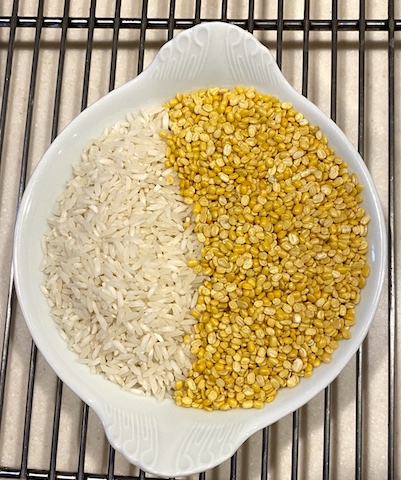
An Asian rice recipe always presents westerners with a teachable moment.  We are unprepared to soak rice for 15 minutes before heating it, although this practice halves the cooking time.  The wait is more than worth it.  Soaking rice removes its phytic acid and improves the body’s absorption of its iron, zinc and calcium.
If you are new to Indian cooking some of the spices in a Khichdi  may require a trip to the supermarket.  Cinnamon stick, cloves, cardamom pods and mustard seeds are whole spices that will keep more than a year.   They are staples of Asian cooking.  Curry leaves are an optional ingredient and an intriguing one. Their pungent scent is one I associate with warm, wet soil and citrus.  They are leaves from a tree, not to be confused with curry powder which is a mixture of spices.  Small bundled stems of curry leaves are available in the refrigerated section of Indian grocery stores.  Indian medicine attributes numerous nutritional and health benefits to them eaten fresh or cooked.  They will keep for two weeks refrigerated.  Substitutes to curry leaves in Khichdi include a bay leaf added directly to the cooking rice and freshly slivered basil leaves folded in just before serving.

Then there is ghee, a concentrated form of butter that Indian cooks use for frying.  It is available in the international aisle of most supermarkets.  You can make this clarified butter at home by simmering butter slowly to evaporate its water content, skimming off the casein foam from the surface, then spooning off the golden butter fat from the milk solids that will brown and stick to the bottom of the pan.   A easier solution is to substitute vegetable or grape seed oil to fry the spices and fold in a tablespoon or two of butter after the rice is cooked.
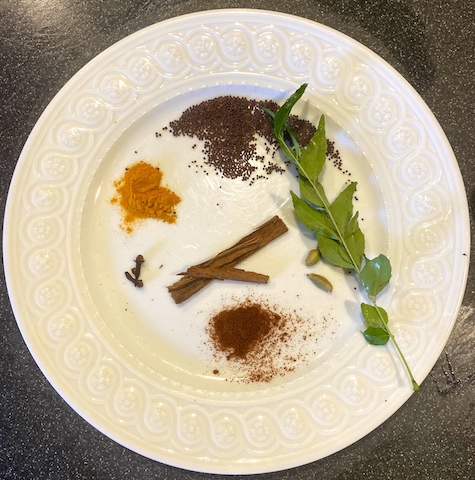


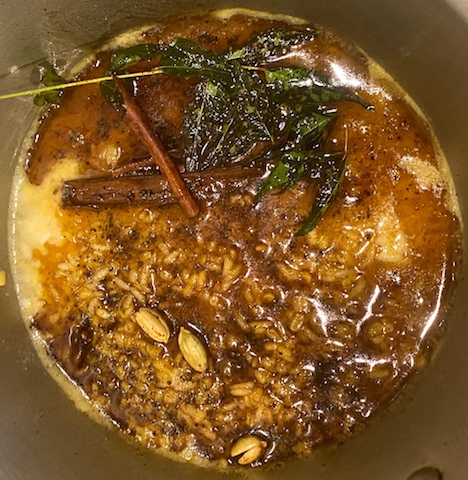
A container of Khichdi hwa become a frequent resident in my refrigerator.   Why am I addicted to the explosive scent of spices when they hit the rice water or the golden hue of turmeric?   It didn’t take much research to find that Khichdi is the choice of Indian mothers when they introduce their babies to solid food.  I have succumbed to a comfort food from the other side of the world.


KHICHDI


Ingredients:


2/3 cup long-grain white rice (jasmine or basmati)
1/3 cup yellow split moong beans
2 tablespoons ghee or vegetable oil
1/2 tablespoon mustard seeds
1 cinnamon stick
2 green cardamom pods
2 whole cloves
1/4 teaspoon red chile powder
1/4 teaspoon turmeric powder
1 sprig curry leaves or 1 bay leaf added to the rice
1/2 teaspoon kosher salt, or to taste
1 dozen fresh basil leaves, rolled together and thinly sliced, to replace curry leaves


Begin by soaking the rice and moong dal for 15 minutes in 4” cool water.  Drain and place the rice and dal in a pan with 1 3/4 cups cool water.  Cover and bring to a boil over medium heat.


Heat the ghee or oil in a small skillet with the mustard seeds.  When the seeds begin to pop, add the cinnamon stick, cardamom pods, cloves, chili powder, turmeric and curry leaves.  Let them cook in the hot oil for a minute swirling the pan to coat them, then add them to the rice, off the heat, taking care to avoid the splatter created when the hot fat hits the water.


When the liquid in the saucepan comes to a boil, give the contents a thorough stir to mix in the spices and add the bay leaf if you haven’t added the curry leaves.  Turn down the heat to a simmer, cover the pan and cook for 15 minutes.  Off the heat, let the rice stand for 10 minutes.  Remove the spices that are visible on the surface, and stir in the basil strands if you haven’t added curry leaves.  Season to taste with salt.


This recipe's author Tejal Rao suggests serving Khichdi with a garnish of cilantro leaves, some whole milk yogurt and a jarred Indian lime-pickle.  I have served it as a stuffing in baked delicata squash, with grilled fish and tossed with sauteed Tuscan kale.


In
"AND NOW FOR SOMETHING COMPLETELY DIFFERENT!"

icecream3


We made quick trip to visit friends in London and check out the dining scene last week.  It's an easy commute, really.  After just two-and-a-half comfortable hours on the Eurostar tunnel train, we arrived in bustling central London expecting a smooth segue into a familiar culture. We speak the same language, share a great deal of history, therefore, we know what to expect from English food, right? Wrong!  We were treated to wildly different dining experiences as unexpected as Monty Python skits - and just as much fun. 

Our first dining stop was lunch at Abeno, the only okonomi-yaki restaurant outside of Japan. (Except for a second location in central London.)  Okonomi-yaki is  a traditional comfort food in Osaka: a light pancake of egg, minced cabbage, ginger and green onions, bound in a light batter and cooked on a hot griddle at the table.   Variations on this formula include a cooked meat, fish or poultry filling. 

Okonomi-yaki  is obviously not of what we have come to think of in the States as teppan-yaki  cooking where diners are entertained table-side by chefs wielding knives.  The intimate dining we experienced could only have been inspired by a homesick native.   Okonomi-yaki is a 400 year-old dish, but it's not serious dining.  At Abeno it is garnished with concentric rings of Japanese mayo,  Worchestershire, pickled ginger and powdered algae, just like a Chicago hot dog!