A PLAN FOR WEXIT

(MY RETREAT FROM THE WESTERN DIET)
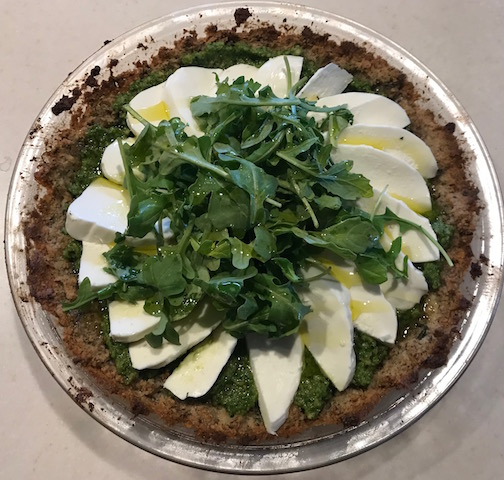
 

Salad Pizza with Chickpea Crust, Cashew Spinach Pesto and Mozzarella

It happens without fail. After a new acquaintance discovers my passion for food, invariably the next question is: "So, what's your favorite restaurant?"  My current 'go to' answer is the one James Beard gave to strangers who recognized him on street: "It's the same as yours!" he'd reply, "The one that loves me the most."

James Beard's enormous girth bore testimony to his love affair with what we've come to call The Western Diet. The  right to eat one's fill has always been implicit in The American Dream.  Our immigrant forefathers found food here was inexpensive and plentiful.  They fed their families a daily diet of meat and dairy protein.  Americans had yet to become as sedentary as they are today.  We had not become addicted to the salt, sugar and fat in fast food, packaged snacks and soft drinks.
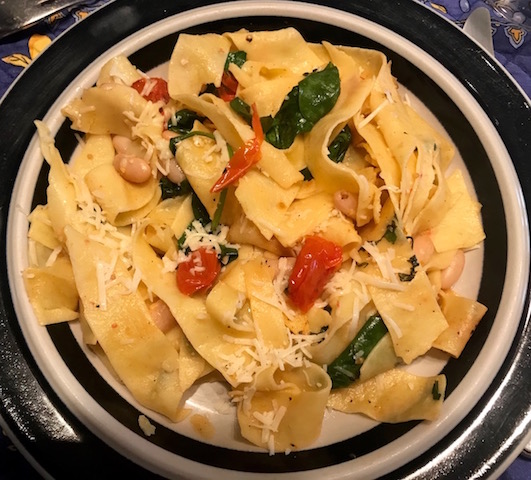


Pappardelle Pasta with Cannellini Beans, Cherry Tomatoes and Spinach

Those of us who have grown up eating The Western Diet now find ourselves battling high blood pressure, high cholesterol levels, type 2 diabetes and cancer before we reach retirement.  But how many of us have voluntarily replaced the food that is shortening our life with healthier proteins from plants?  Not I, for one.

 I chose to modify my eating habits only recently as an alternative to taking medication.  My daily dilemma of making healthier food choices feels analogous to England's fumbling attempts to leave the European Union.  My Wexit, as I call it, aims to dramatically reduce animal-based protein in my diet and replace it with beans, grains and green vegetables. To paraphrase James Beard, will this new cuisine love and comfort me or will I feel exiled from my culinary world?
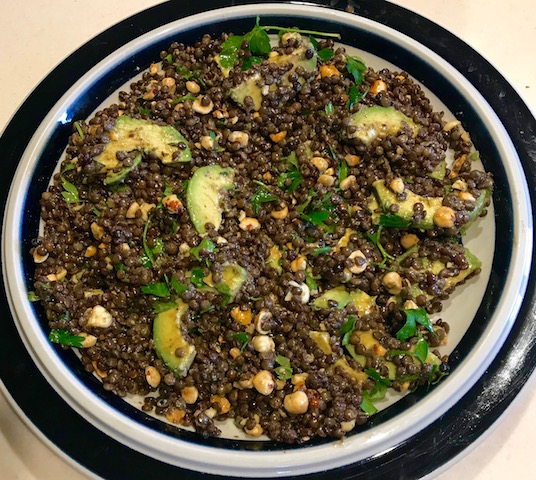


French Lentil Salad with Avocado, Hazelnuts and Parsley

My first step toward healthier eating is an embrace of the The Mediterranean Diet with its reliance on olive oil along with more fruits and vegetables.  The next step is adding a foreign high protein plant - quinoa from Peru, cranberry beans from Columbia, jasmine rice from Thailand - to a pasta or vegetable dish that I've made before.  Finally, swapping out meat for a plant protein creates an entirely new kind of culinary experience.  This transition will take more time than the other two.

The good news is that cooking plants takes less time than preparing a meat dish.  There's more knife work involved for cooks who enjoy working with their hands.  I do rely on organic canned beans when they are background ingredients and on frozen vegetables when the fresh version is out of season.  Vegetarian dishes are usually a vivid green or a multicolored mixture that are more pleasing to the eye than the traditional separated mounds of meat, potatoes and vegetable.  I find it satisfying to eat these meals slowly, savoring the interplay of flavors and textures.  Here's a Wexit confession: I'm curious to taste Burger King's vegetarian Impossible Burger when it enters the Chicago market. I think James Beard would approve.
A ROMAN HOLIDAY

fruitmixfinal

Let me be the first to wish you “Lo Saturnalia”!  I’m sending this holiday greeting with recipes for sweets inspired by the cuisine of Julius Caesar’s Rome.  If you didn't take Latin in high school, it may seem a stretch to add the Roman god of agriculture to your holiday roster.  But consider this: in the ancient world, Saturnalia was a wildly popular December observance before Christmas and Hannakah arrived on the calendar.  Central to the celebration was feasting and the exchange of food gifts.  Are you with me?


Now for the back story:  In a moment of frustration, I pulled my only Roman cookbook off the shelf.   I had searched through this December’s issue of several food and life style magazines for inspirational recipes and found nothing new or interesting.
Cooking and Dining in Imperial Rome came to the rescue with unusual treatments both sweet and savory that balance sweet, sour and salty flavors.  The Clove Cake with Cranberry Compote and Fruitcake Biscotti recipes my version of Saturnalia treats. I will send more if time permits.


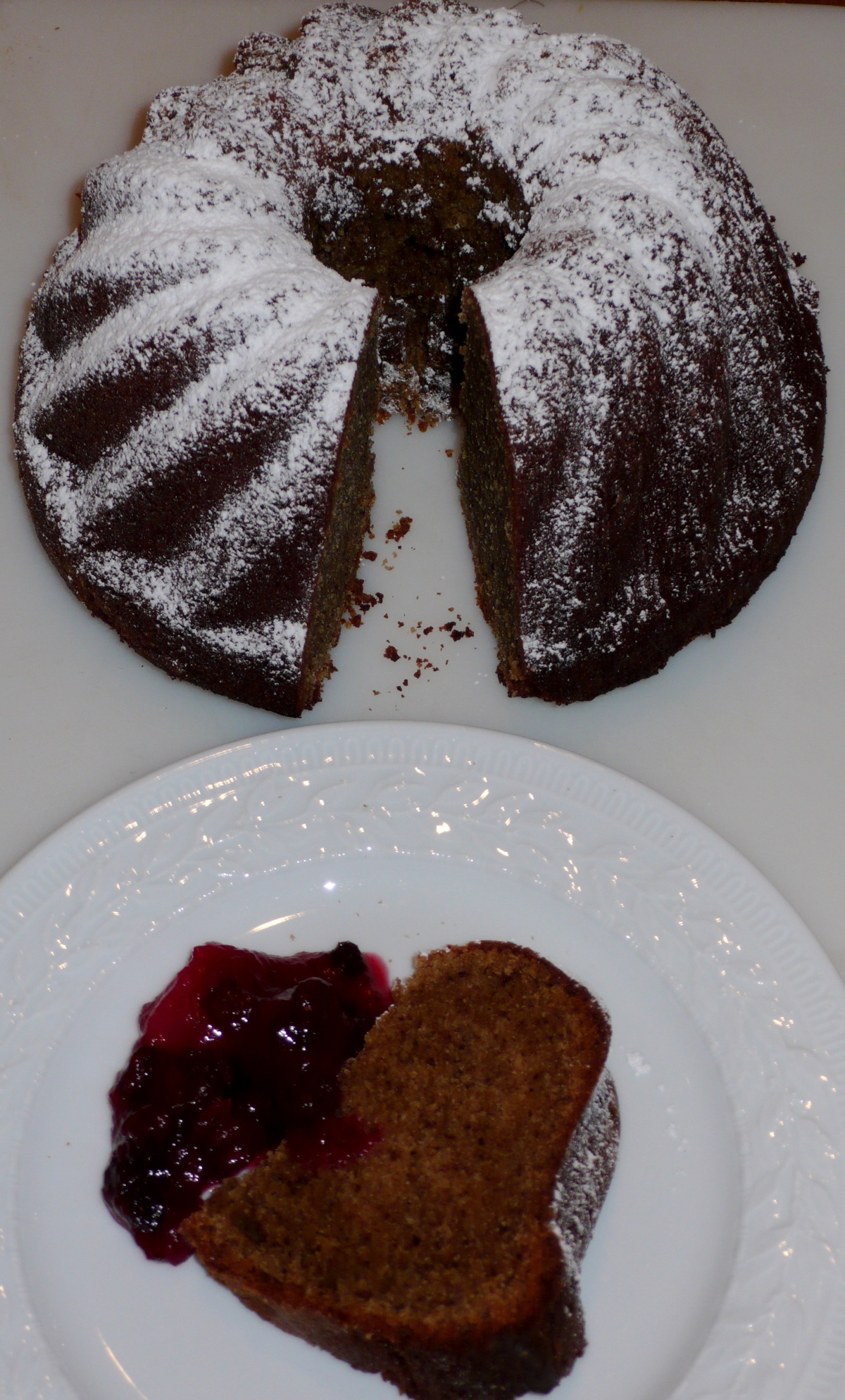
CLOVE CAKE

cakeing2

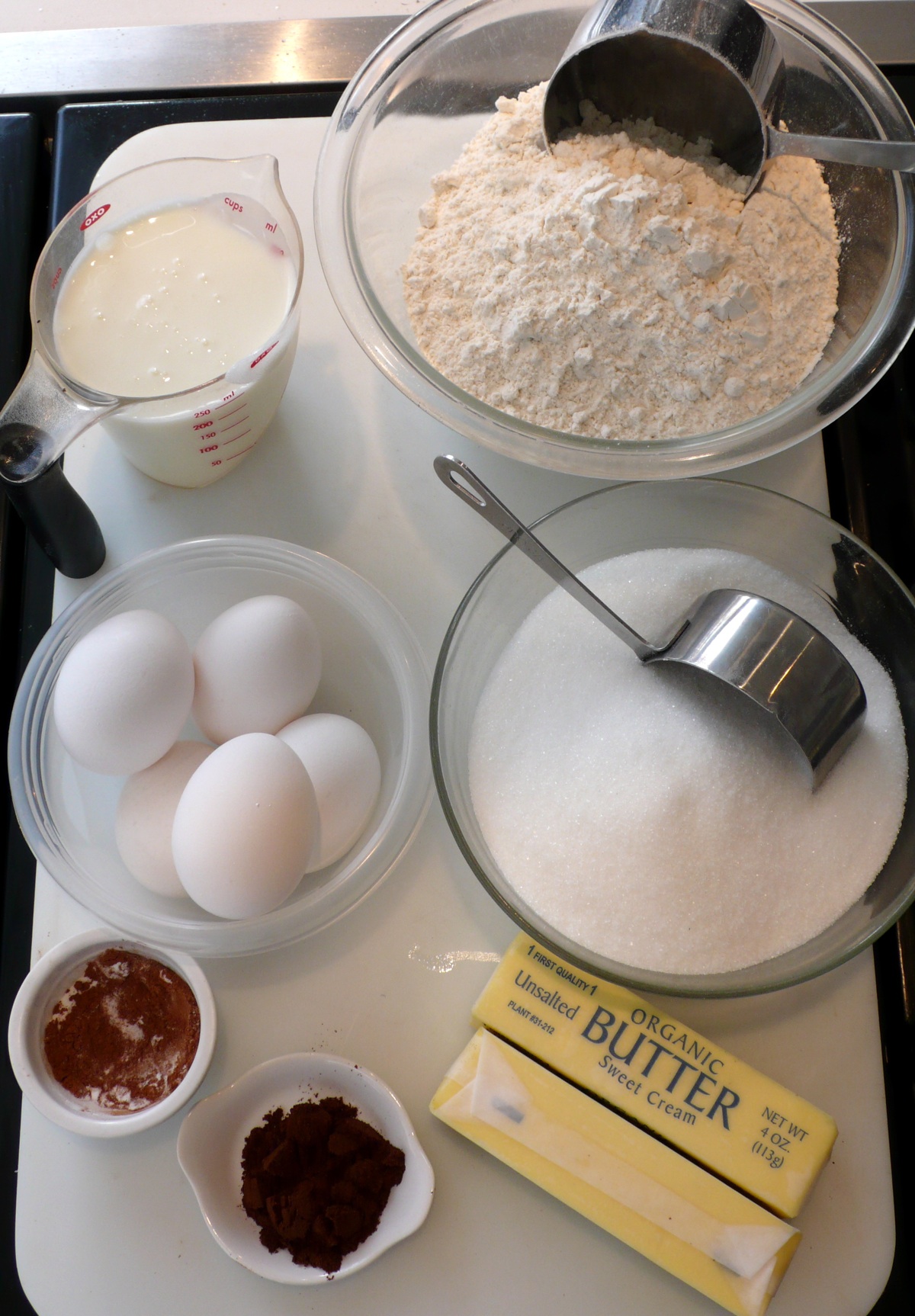
Ingredients:

3 cups unbleached white flour

1 teaspoon cinnamon

2 teaspoons ground cloves

1/4 teaspoon salt

3/4 teaspoon baking soda

5 large eggs

2 sticks unsalted butter at room temperature

2-1/4 cup sugar

1 cup buttermilk

Garnish: 1/4 confectioners' sugar

Directions:
Preheat the oven to 350 degrees.  Generously butter a 8-10 cup Bundt pan or tube mold.

Measure and sift together the flour, cinnamon, cloves, salt and baking soda.  Beat the eggs together until they are lemon yellow in a small serveccbowl.

Cream butter and sugar in an electric mixer until light and fluffy.  Blend in the eggs, slowly.  Scrape down the sides of the bowl.  Stir in 1/3 of the dry mixture and then 1/2 of the butter milk.  Alternate between wet and dry ingredients mixing just long enough to blend the ingredients.

Pour the batter into the pan and bake for 1 hour or until a cake tested inserted in the cake comes out clean.

Cool the cake in the pan for 10 minute, then turn out on a rack to cool completely. Sprinkle Clove Cake with confectioner's sugar before serving.


CRANBERRY COMPOTE

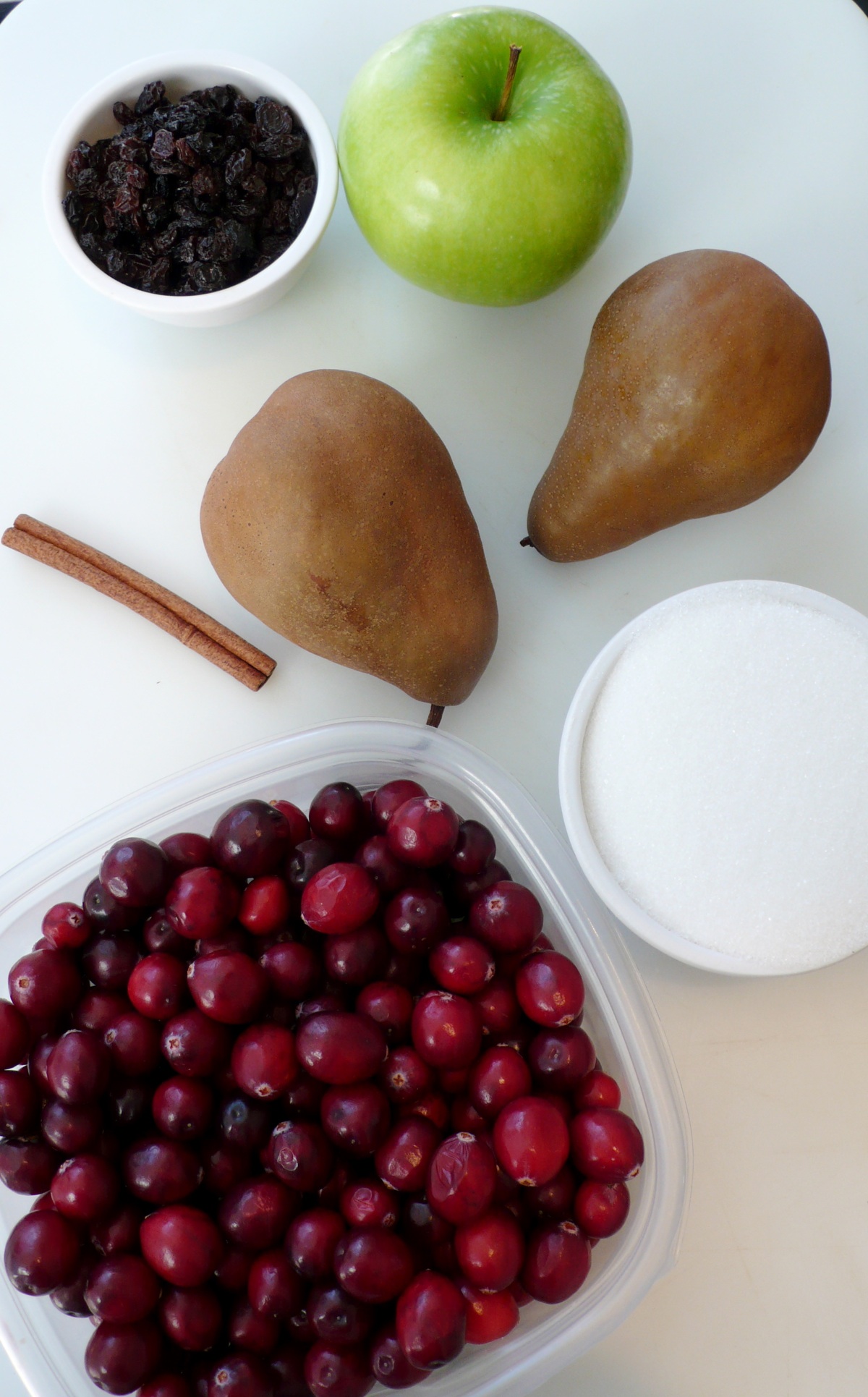
compoteingIngredients for 4 cups

1 cup granulated sugar

1 cup cool water

12 ounce bag fresh cranberries

2 pears, peeled, quartered, cored and chopped

1 Granny Smith apple, peeled, quartered, cored and chopped

1 cinnamon stick

1 cup currants


Directions
:

Bring water to a simmer with sugar in a heavy saucepan stirring occasionally.

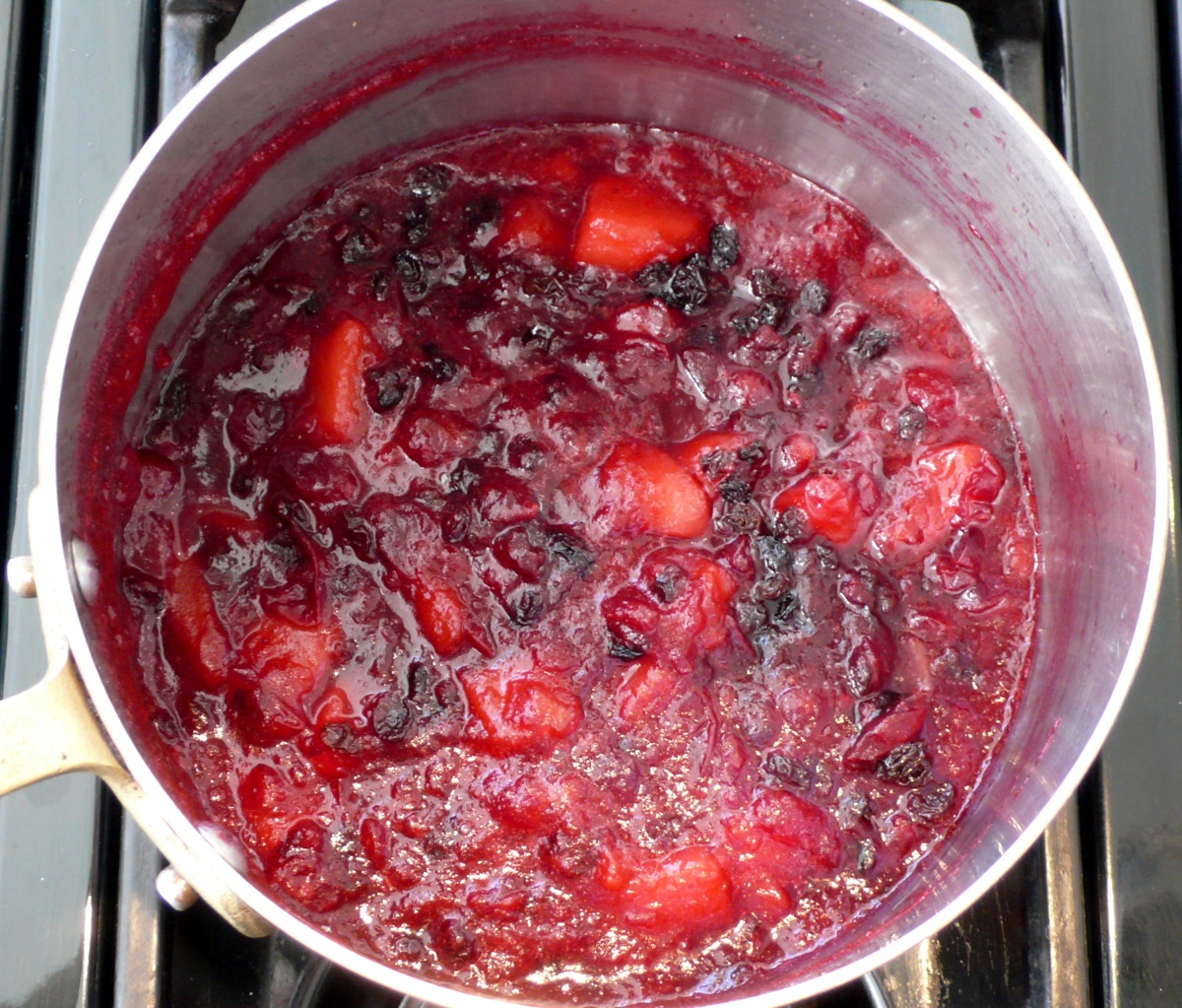
Rinse and pick over the cranberries removing bruised ones.  Add the berries to the sugar syrup and cover the pan. Cook over medium heat until you can hear the berries begin to pop.  Uncover and add the pear and apple pieces along with the cinnamon stick


compote
Return the mixture to a simmer and cook slowly for 15 minutes until the fruit is tender and the mixture has thickened.  Off the heat stir in the currants.

Pour into preserving jars and seal as directed in the Meyer Lemon Marmalade blog. http://www.chezm.com/welcome-to-recipes/62-preserves/401-meyer-lemon-marmalade

Serve with poultry and alongside holiday cakes.


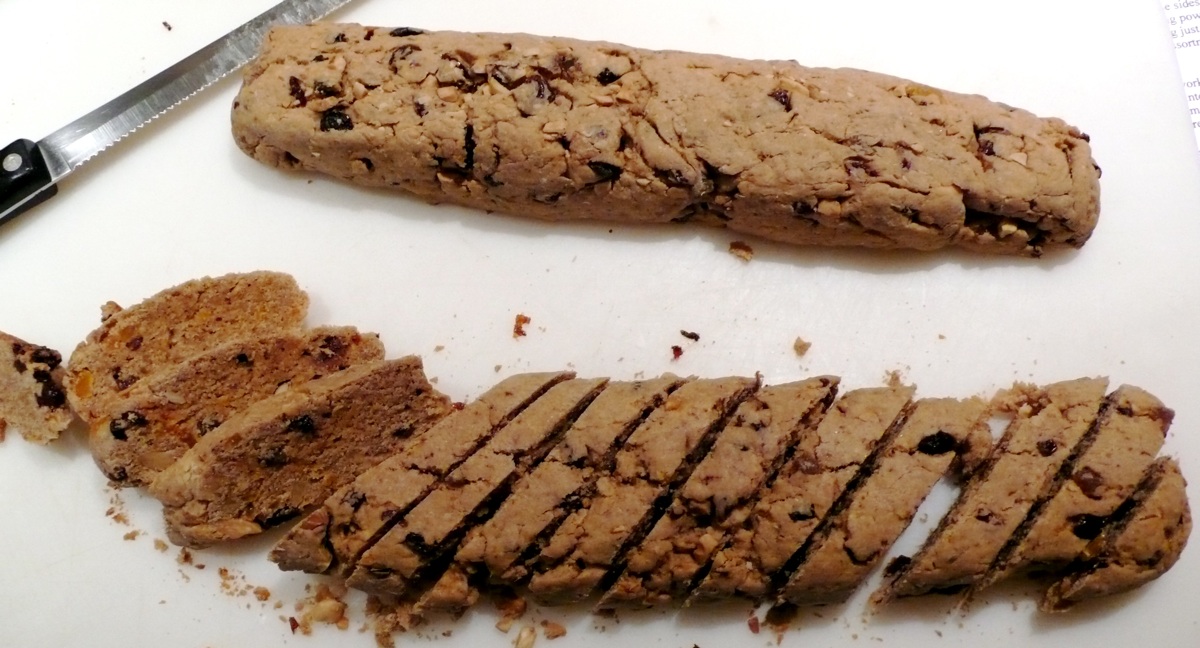
FRUITCAKE BISCOTTI

biscottiing
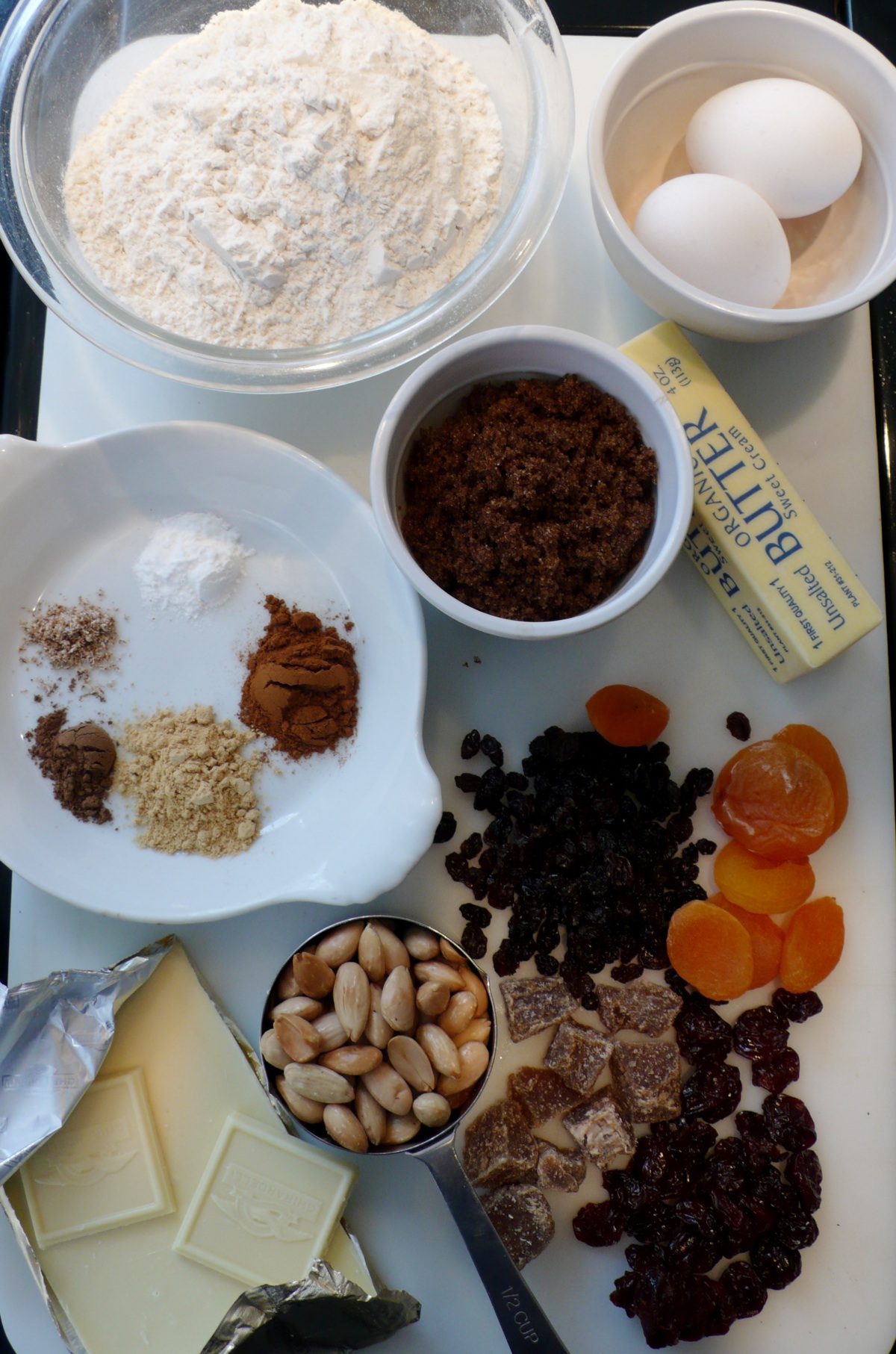
Ingredients:

1/2 cup whole almonds

½ cup unsalted butter at room temperature

¾ cup brown sugar

2 large eggs

2 – 1/2 cups unbleached flour

1 teaspoon ground cinnamon

½ teaspoon ground ginger

¼ teaspoon each: allspice and nutmeg

1/2 teaspoon baking powder

1 cup diced dried and candied fruit: dried cherries or cranberries, crystallized ginger; currants, apricots, figs

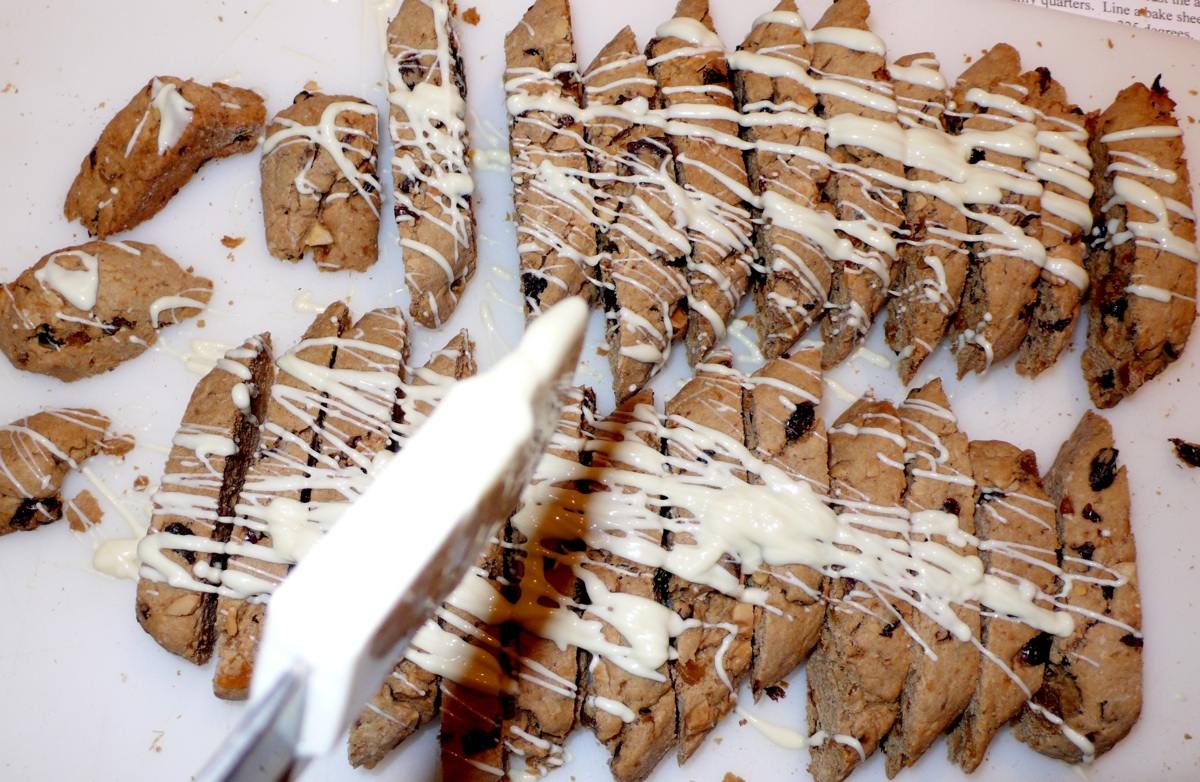
White Chocolate Glaze:1 - 4 ounce white chocolate bar 


slicing

Directions:
Preheat the oven to 325 degrees.  Line a bake sheet with a 
non-stick surface or butter and flour.

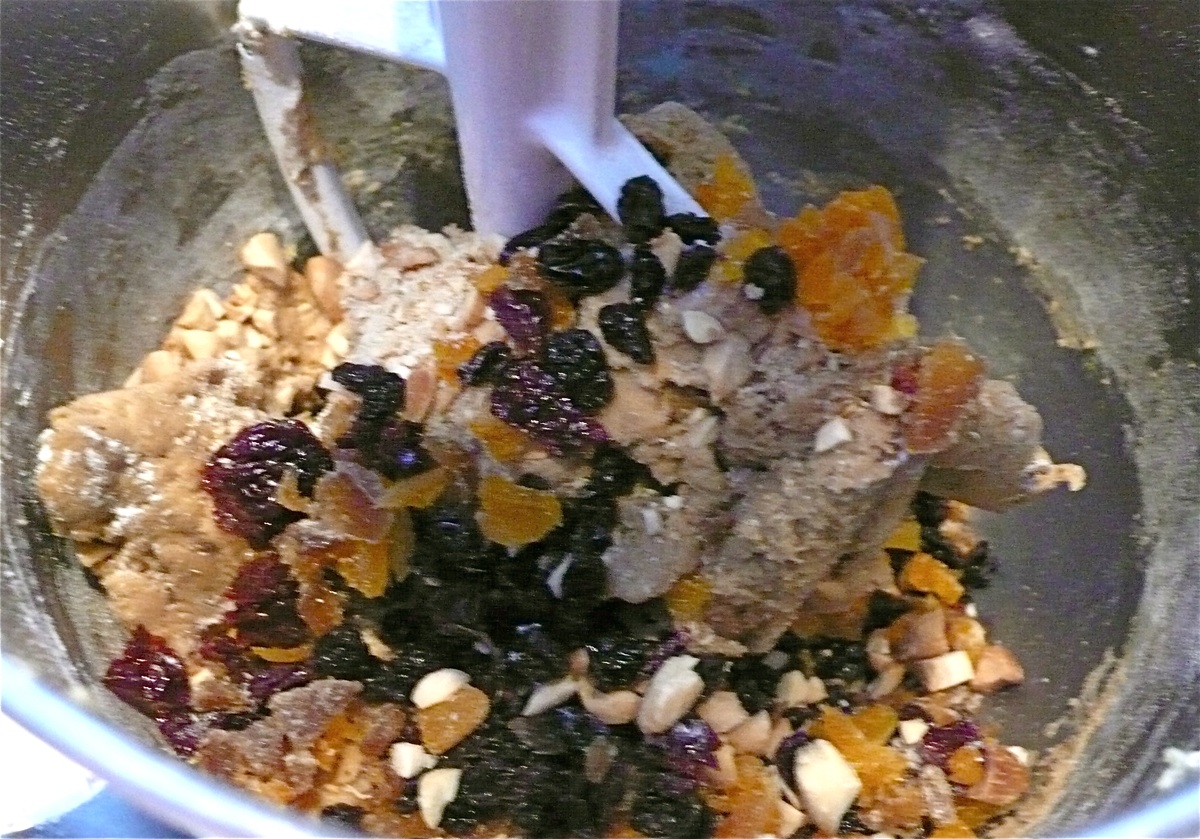
Beat the butter with brown sugar in the work bowl of a food mixer for 3 minutes.  Add the eggs one at a time scraping down the sides of the bowl after each addition.  Sift together the flour, spices, baking powder and salt.  Add this mixture 1/2 cup at a time mixing just until the ingredients are incorporated.  Add the finely chopped fruit

icing

assortment and almond pieces and blend well

Turn the  dough  out onto  a lightly floured work surface. Dust the dough with flour and divide it in half.  Shape the dough into 2 squared-off logs: 2" wide  and 1" high and  12" long.  Bake for 30 minutes, until firm, lightly browned, with an internal temperature of 200 degrees.  Allow them to rest in the pan on a rack for 15 minutes.  Lift the loaves onto a bread board, slice  logs 1/2" thick at a 45  degree angle with a serrated knife, and return to the sheet pan standing up.  Bake another 10 minutes.


White Chocolate Glaze: Break the white chocolate bar into ½” pieces.  Melt in the microwave on full power for 1 - 2 minutes.  Stir until smooth.  Drizzle the warm glaze over the top of each biscotti.  Let them cool and dry  on a rack before sealing in a jar or tin


A SCIENTIST IN THE KITCHEN


chickpp1

There’s good news for anyone longing for complete, consistent success in the kitchen.  Nathan Myhrvold’s new cookbook
Modernist Cuisine holds the answer.  The bad news is that this is a six volume forty-six pound guide to the science of cooking.  What's more, Myhrvold believes that, once mastered, modernist cuisine will make you an artist, just as revolutionary as the French Impressionist painters were in the 19th century. Is this too much information?  Not if your kitchen includes a water bath, vacuum sealer, centrifuge, pressure cooker, butane torch and Dewar flask full of liquid nitrogen.

A THANKSGIVING POUTINE

 The old saying, ‘never say never' certainly applies to food tastes.   Here is a case in point.  If told I would one day publish a recipe for Quebec’s signature dish, poutine, my response would have been an emphatic, "Never!”.  I wouldn't blog about French steak frites either.  Both are iconic dishes but poutine has always sounded 'over the top'. Just the thought of French fries covered with cheese curds and a ladle of gravy gives me indigestible.  But, what do I know?

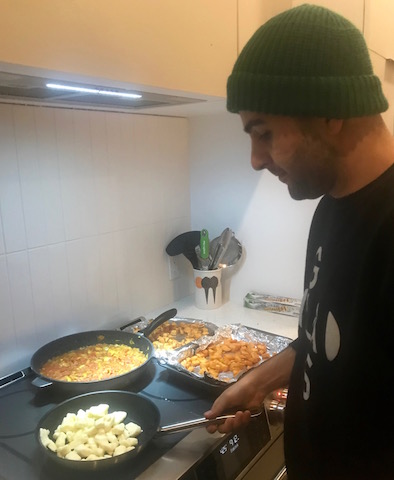
It took the intervention of my my son-in-law, Amid, and a recipe from the Sikh candidate for Prime Minister of Canada to cure me of my 'never poutine' attitude.  In an unlikely sequence of events, Amid, who rarely cooks, watched parliament member Jagmeet Singh prepare a curried poutine in a Tweet to his many followers.  Amid made his poutine; loved it and offered to show me how to show me how to make it while I was in Montreal.  I couldn't refuse and followed him into the kitchen.


The backstory gets better.  Singh had chosen October 14, Thanksgiving Day in Canada, to Tweet his poutine describing it as his favorite holiday dish.  As he expertly sliced onions and stirred the curds, he riffed on how a poutine with curry seasonings symbolized the integration of his Punjab origins and his present life in Canada.  It was a brilliant but insufficient campaign tactic.  A week later Justin Trudeau narrowly won reelection as Prime Minister.  Jagmeet Singh who placed third in a field of six remains a member of Canada’s Parliament and leader of the New Democratic Party. 

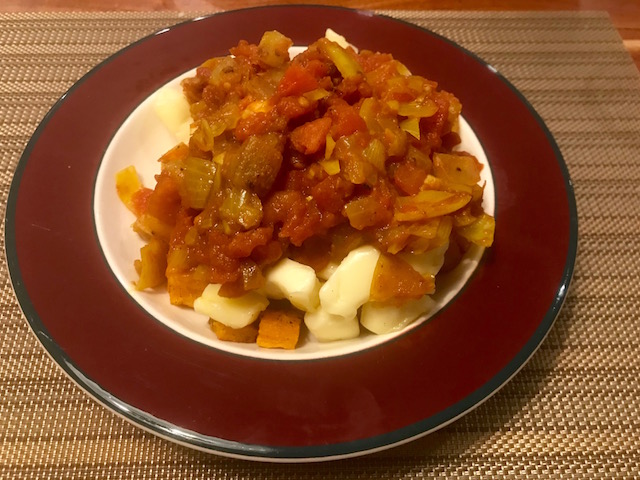
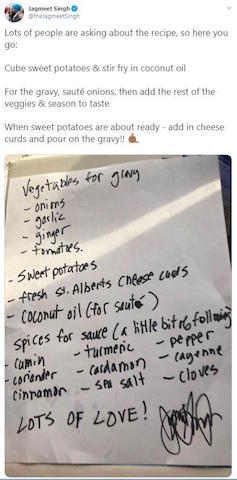
Jagmeet posted a photo of his handwritten recipe for Punjabi Poutine two days after the Tweet.  It reveals poutine’s vast                  potential for substitution.  In his recipe cubed and fried sweet potatoes replace French fries.  A spicy tomato sauce stands in for gravy.  The constant is cheese curds.  

Canadians appear to be addicted to these virtually tasteless blobs of white cheese.  Small bags of curds sit next to the cash register in many Montreal food shops.  Their dryness allows them to remain stable at room temperature. The best curds are so dry they squeak when you bite into them.  That is one of the pleasures of eating poutine.


I like to imagine that the first poutine was created in 1950's Quebec by an inventive short-order cook in a small roadside diner along a snowy two-lane highway.   It’s early on a frigid Saturday morning and his bleary-eyed customers are revelers looking for a hangover cure and exhausted long-haul truckers.  Poutine, with its hot, crisp fries, squeaky cheese and mouth-coating meat gravy filled the bill and continues to satisfy to this day.

https://twitter.com/theJagmeetSingh/status/1183756574210158592


A TRIBUTE TO CAST IRON COOKERY


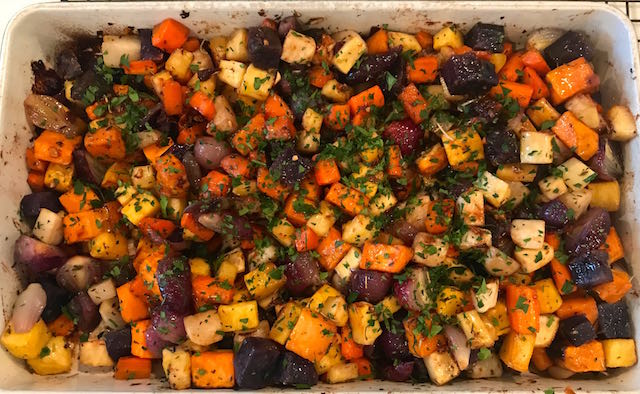
“What stories these pans could tell,” a student commented as she surveyed the assortment of cast iron cookware in which we were about to prepare Thanksgiving dinner.  She wasn’t referring to the impeccable black Lodge skillet that would hold the cornbread.  It was three weathered, enamel-coated dishes that drew her attention.  

This was the first time anyone had shown any interest in these utilitarian objects that I routinely regard as empty pots waiting to be filled.  How thoughtless of me.  It’s time I wrote a tribute to the cast iron pots and pans that have served and continue to serve me so well.

The large, rectangular roasting pan pictured at the top of the page takes me back to my first dinner party as a young bride in the ’60’s.   I was still working my way through Julia Child’s Mastering the Art, when I cooked and served a pheasant pie in it.   I clearly remember cutting up frozen artichoke hearts along with root vegetables. Artichoke hearts seem a strange choice to me today. I also have no recollection of how I managed to cover the entire surface of the dish with a pastry dough. 


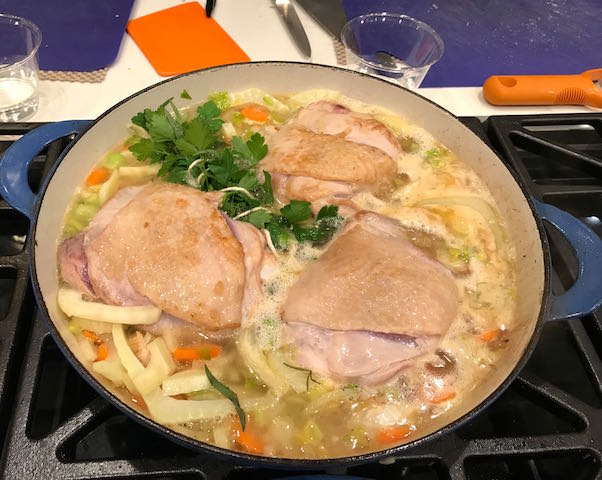
The Le Creuset  casserole pictured above is a favorite because it’s broad shape makes braising easy to see and control.  I enjoy watching ingredients meld together.  Now a confession.  Hidden beneath the surface of turkey thighs simmering in white wine and vegetables, the pan's enamel sides and bottom are stained almost black.  Sorry, there’s no horror story to be told.  The discoloration is the result of cooking black beans years ago.  I like to think of it as cast iron patina.


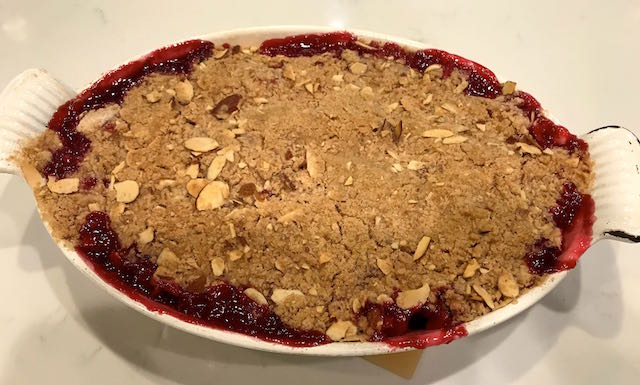
This two quart oval gratin dish is another favorite for layered vegetables and fruit cobblers.  The cranberry and apple crumble  pictured above is a good example.  The enamel has chipped away from the handles over the years giving it a rustic look that is not intentional.   I've got to stop now. My memory is on overload thinking of the many times this pan has seen sliced potatoes, grated cheese and chunks of cold roast.  The thought of steamy, cheesy gratins is making me hungry.

This year I am grateful for cast iron and all the utilitarian objects that allow me to be productive in the kitchen.  I’m also grateful for those of you who read my blog and share my passion for life in the kitchen and at the table.  Best wishes for a most satisfying Thanksgiving holiday.


Link to the recipes:

Roasted Root Vegetables

Braised Turkey Thighs with Peanuts

Cranberry Apple Crumble