There’s good news for anyone longing for complete, consistent success in the kitchen. Nathan Myhrvold’s new cookbook Modernist Cuisine holds the answer. The bad news is that this is a six volume forty-six pound guide to the science of cooking. What's more, Myhrvold believes that, once mastered, modernist cuisine will make you an artist, just as revolutionary as the French Impressionist painters were in the 19th century. Is this too much information? Not if your kitchen includes a water bath, vacuum sealer, centrifuge, pressure cooker, butane torch and Dewar flask full of liquid nitrogen.
I admit I’m fascinated by this “machine cuisine”. But rather than pay $625 for a copy, I will wait for chefs and the food press to work through its 2438 pages for techniques I can apply to home cooking. In fact, trickle-down has already begun: Did you know that if you turn a grilling steak every 15 seconds it will cook faster, lose less juice and need less time rest? I’m hoping for more revelations that I can incorporate in my chicken pot pie recipe.
 Minimalist Cuisine is the first really high-tech cookbook in English. At the opposite end of the bookshelf sits Auguste Escoffier’s Guide Culinaire. a Bible of traditional cooking published in 1903. Modernists regard traditional techniques as so nineteen century. The first modernist chef, so to speak, was Spanish chef Ferran Adià who began applying technology to his cooking in the mid-1980’s. By the early 1990’s Adria’s small restaurant ElBulli was attracting celebrity chefs from around the world.
Adrià deconstructs traditional dishes and transforms their ingredients with a combination of high-tech equipment and a shelf of food additives into dramatic foams, gels and emulsions. He has banished bread, cheese and dessert from his meals. Diners at ElBulli are served forty to fifty tasting courses (you got that right) – each is made with ingredients so dramatically changed that it must be consumed to be identified. In Chicago, we have “Modernist” chef, Grant Achutz. Among his creations that have earned him three Michelin stars is a “transparent rose water envelope”.
Nathan Myhrvold, the man behind Minimalist Cuisine, studied traditional cooking in his early 40’s having retired as chief of technology at Microsoft in 1999. I can imagine how someone with his scientific precision and emotional drive would be drawn to the perfectionist world of professional cooking. He planned on a large scale, renting 14,000 square feet of warehouse space and employing dozens of chefs, assistants and photographers over a period of five years. The finished cookbook is the equivalent of a new operating system for cooks. I know what you’re thinking. Myhrvold won’t divulge how much he spent, only that it was more than one, and less than, ten million dollars.
 Here’s one of Myhrvold’s recipe for preparing steak. He cooks it sous vide, literally, in a vacuum. First you decide the interior temperature you want the steak to reach. Not just rare or medium, but an exact temperature like 126 degrees. You vacuum-seal and submerge it in a 126 degree water bath until the meat’s interior reached 126 degrees. (He has worked out a chart of the time it will take based on the size and weight of the meat.)
When the steak emerges pale and flabby from it’s bath, it is perfectly cooked but not terribly appetizing. It’s time to zap it with your butane torch. Voila! You have the sizzling, fragrant steak at the exact temperature you expected. Did I mention you need $1500 in sous vide equipment and hours of cooking to prepare this recipe?
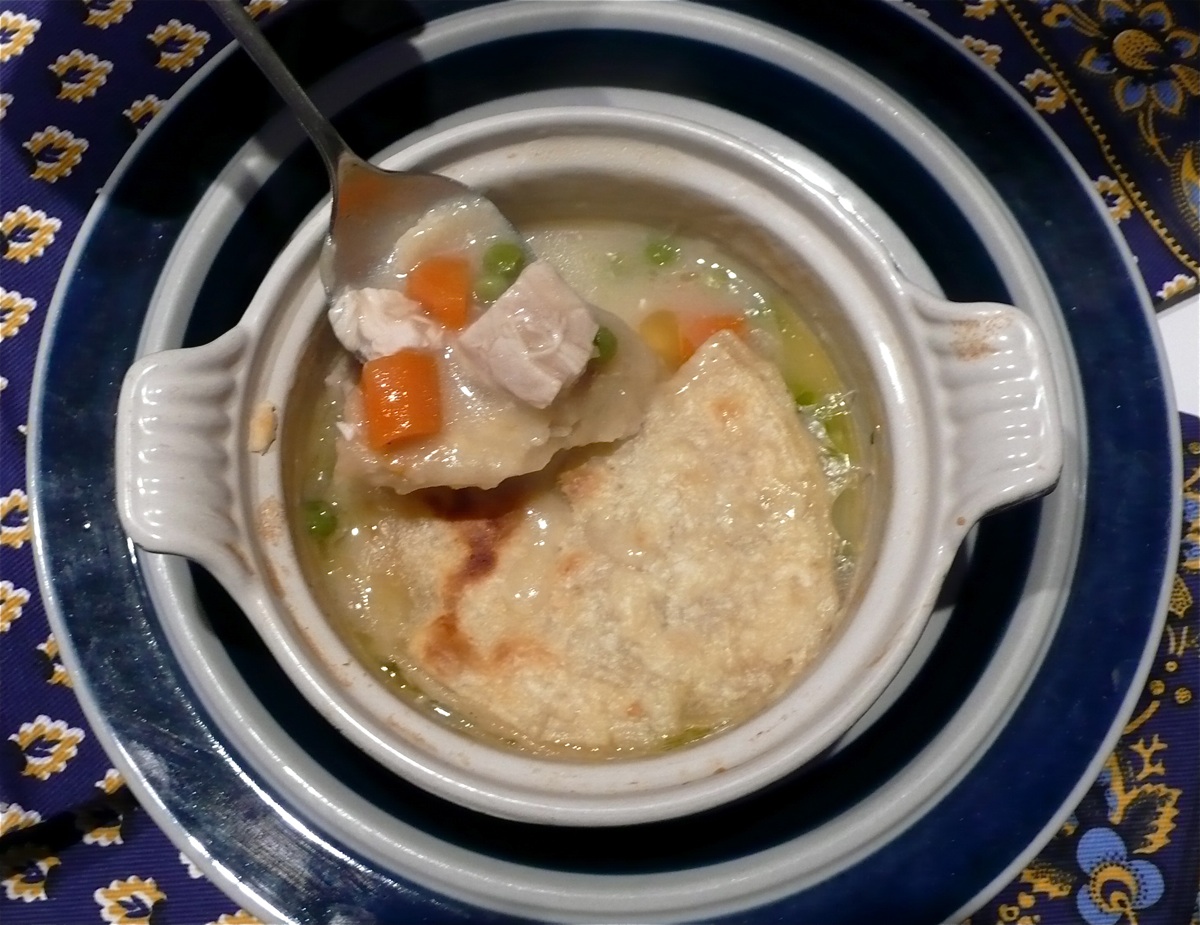
Modernist cuisine challenges diners with deep pockets to a chef-driven tasting adventure that is sure to surprise them with dishes like foie gras tied in a knot. On the other hand, traditional cooking will always appeal to our memories of past meals. As it meets our expectations this food comforts and promotes sociability. I’ve tried new cuisine on occasion and with pleasure. Given the choice, I prefer to eat a homey chicken pot pie.
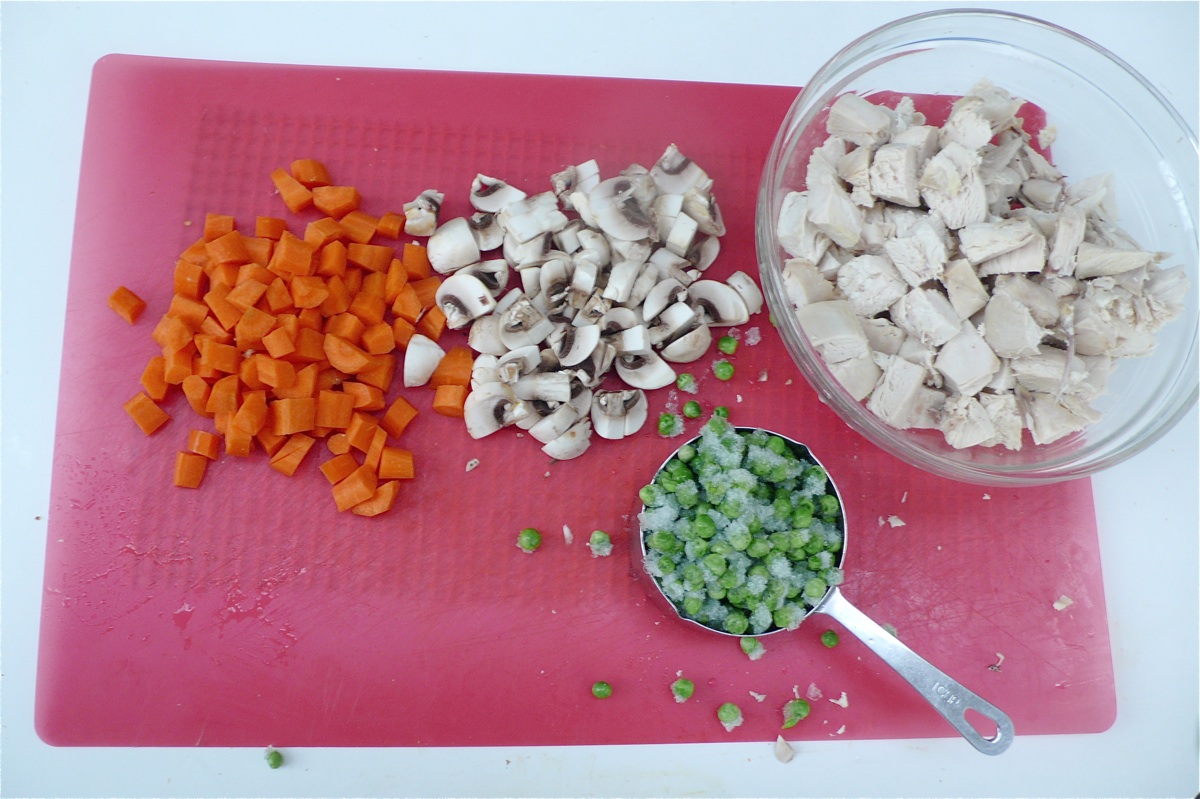 CHICKEN POT PIE
Ingredients for 6 servings:
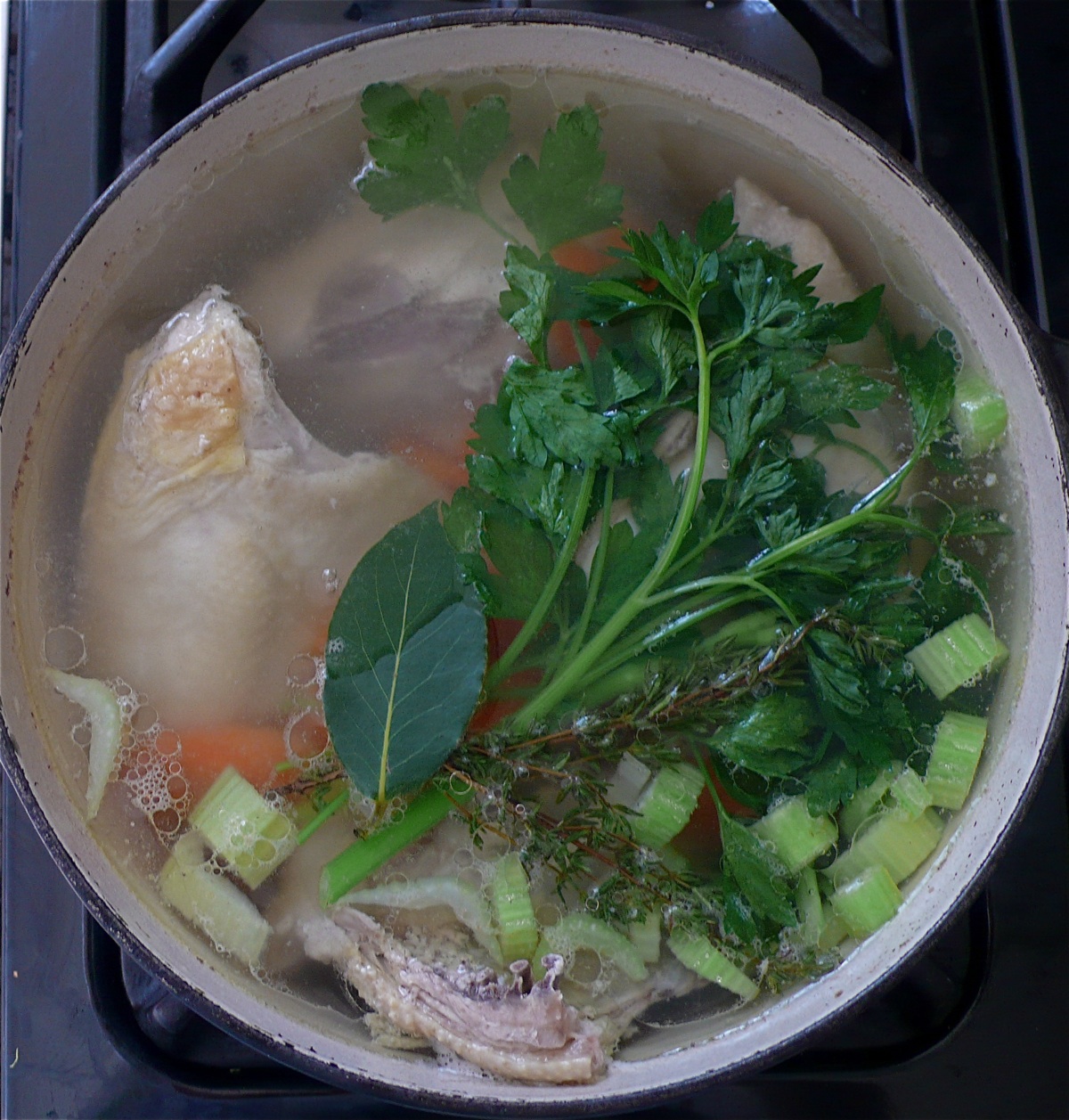
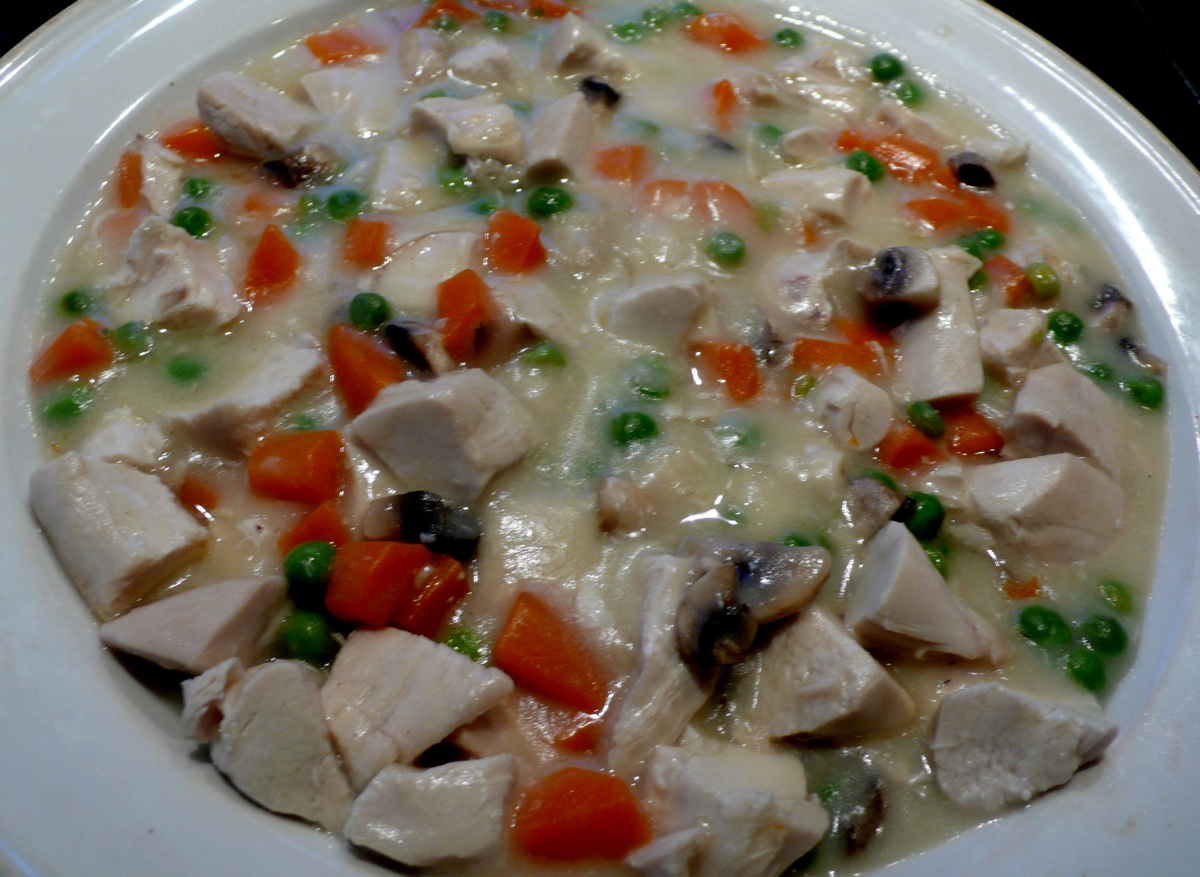
4 cups cooked chicken meat
1 cup each: diced carrots, peas, sliced mushrooms
6 tablespoons unsalted butter
5 tablespoons unbleached flour
3 cups chicken broth
Salt and pepper to taste
1/8 teaspoon Tabasco
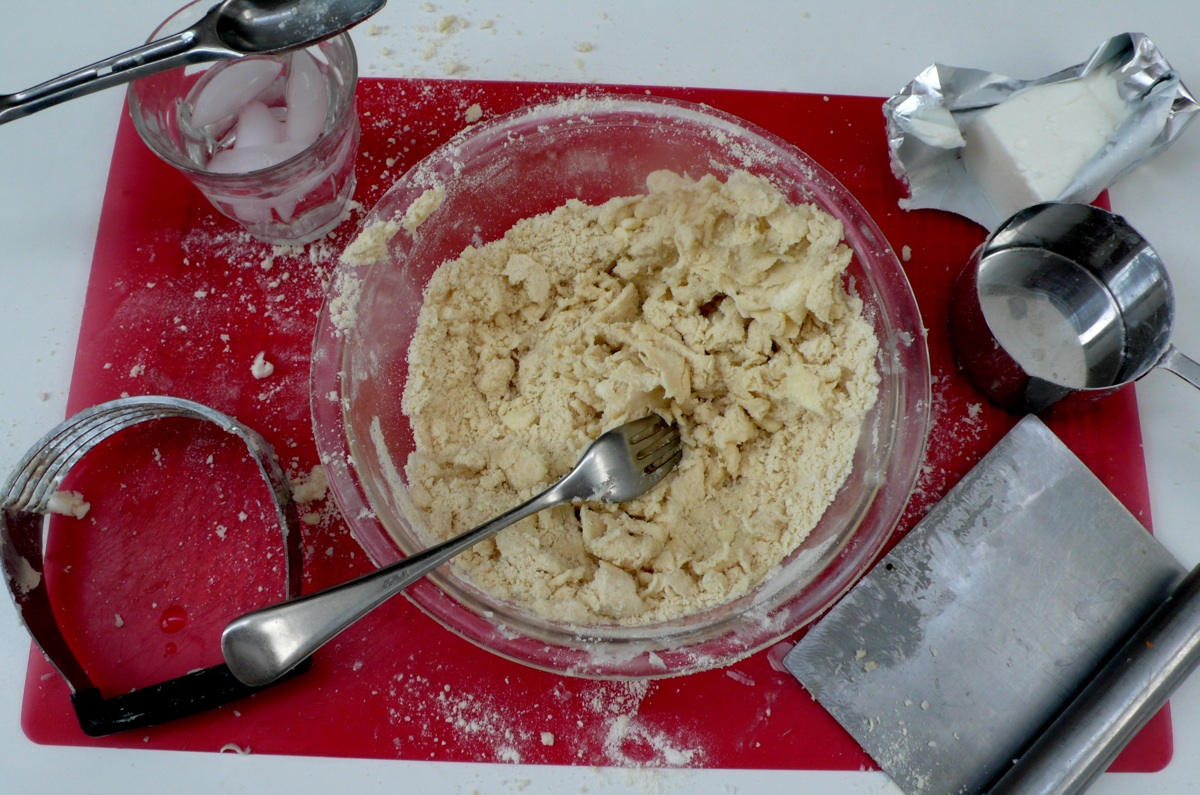
1/2 recipe Pate Brisée pastry crust
 Directions:
Chicken: http://www.chezm.com/welcome-to-recipes/50-beginners-series/177-stock-for-chicken-ragout
Vegetables: Steam until just tender.
Veloute:http://www.chezm.com/welcome-to-recipes/50-beginners-series/178-sauce-velout
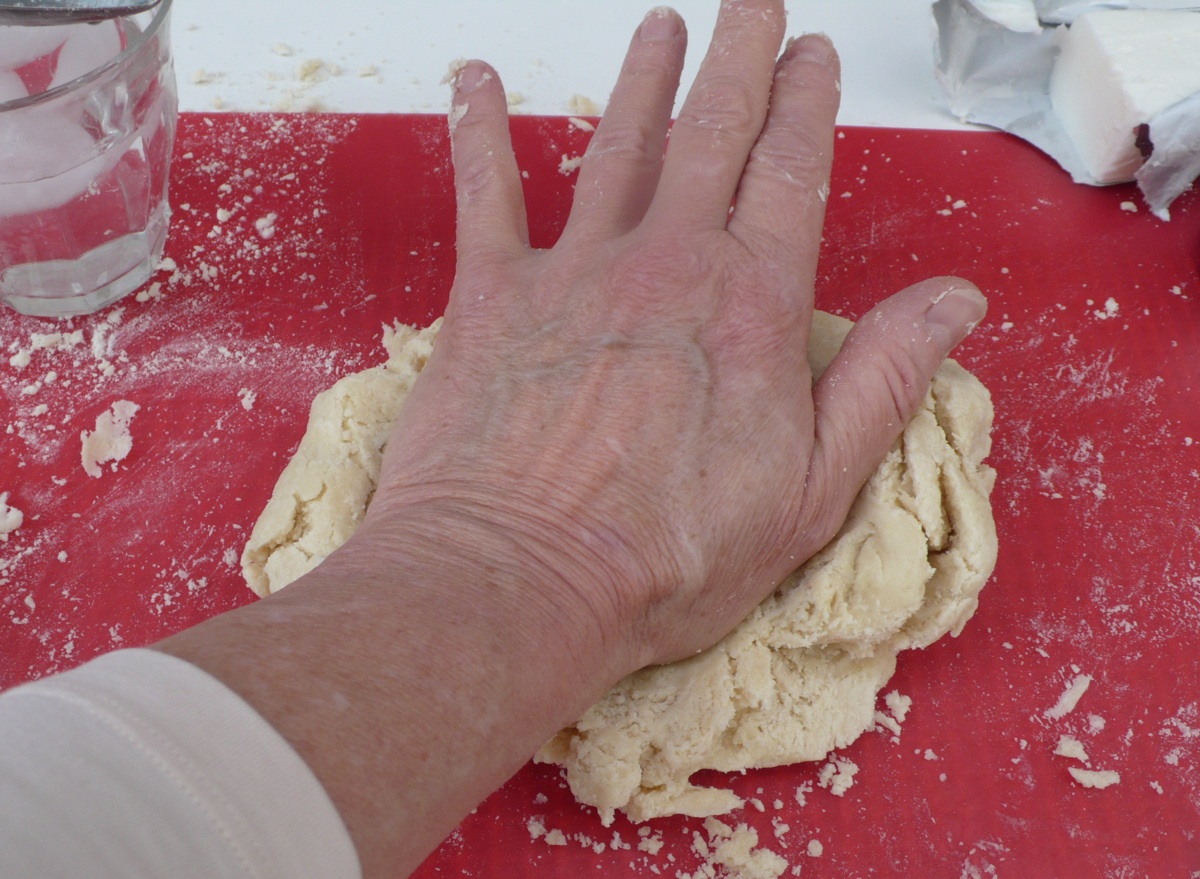
PastryCrust
http://www.chezm.com/welcome-to-recipes/50-beginners-series/633-pie-crust
Assembly and Baking I:
Preheat the oven to 350 degrees.
 Fold the chicken and vegetables into the veloute. Season to taste. Transfer filling to a baking dish.
Roll our the chilled pastry 1/2 “ larger than the opening and cover the pie completely. Crimp the edges of the dough and prick in several places.
Bake for 30 minutes until the crust is fully baked. Serve hot from the oven. Pie can be refrigerated after baking and reheated. It can be frozen either before or after baking..
Assembly and Baking II: Follow the directions above, but bake the pie crust by itself. Place on the filled dish and bake the pie for 15 minutes to warm the contents and brown the crust
